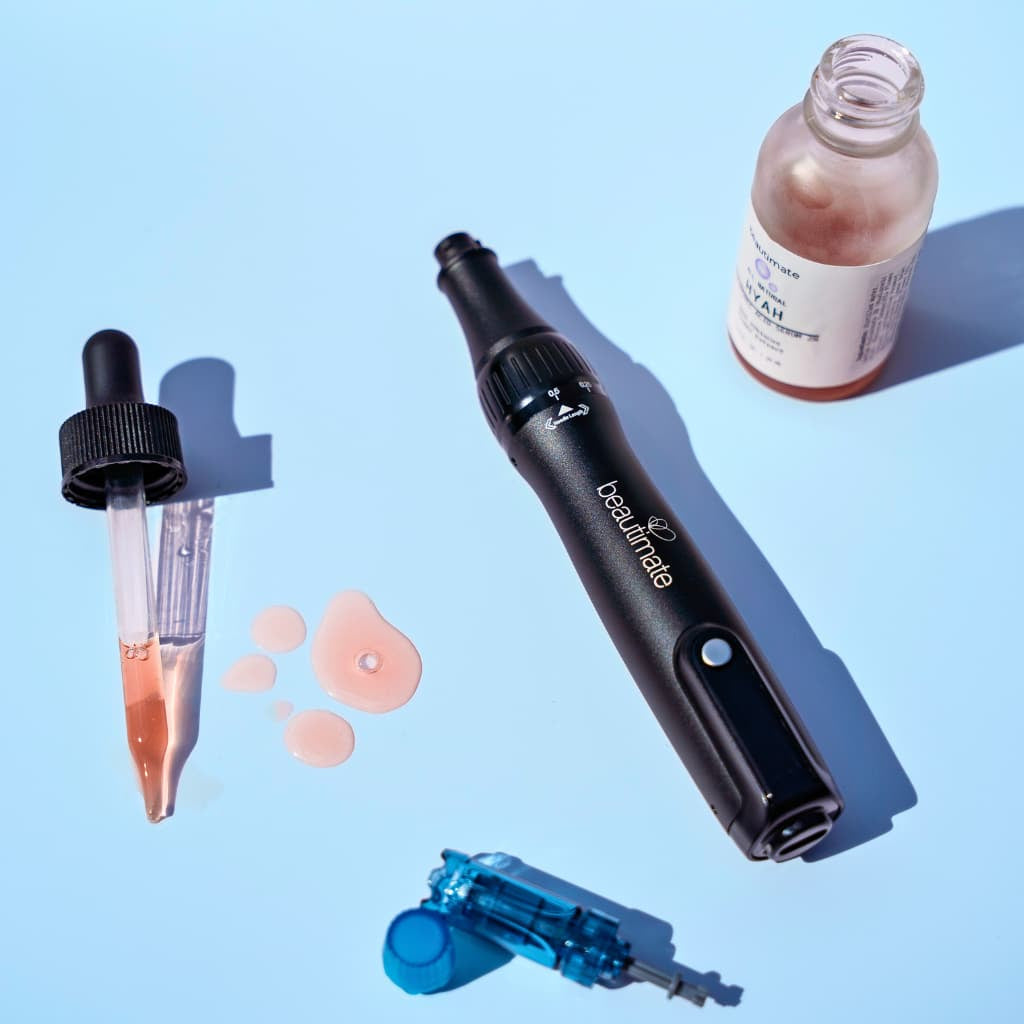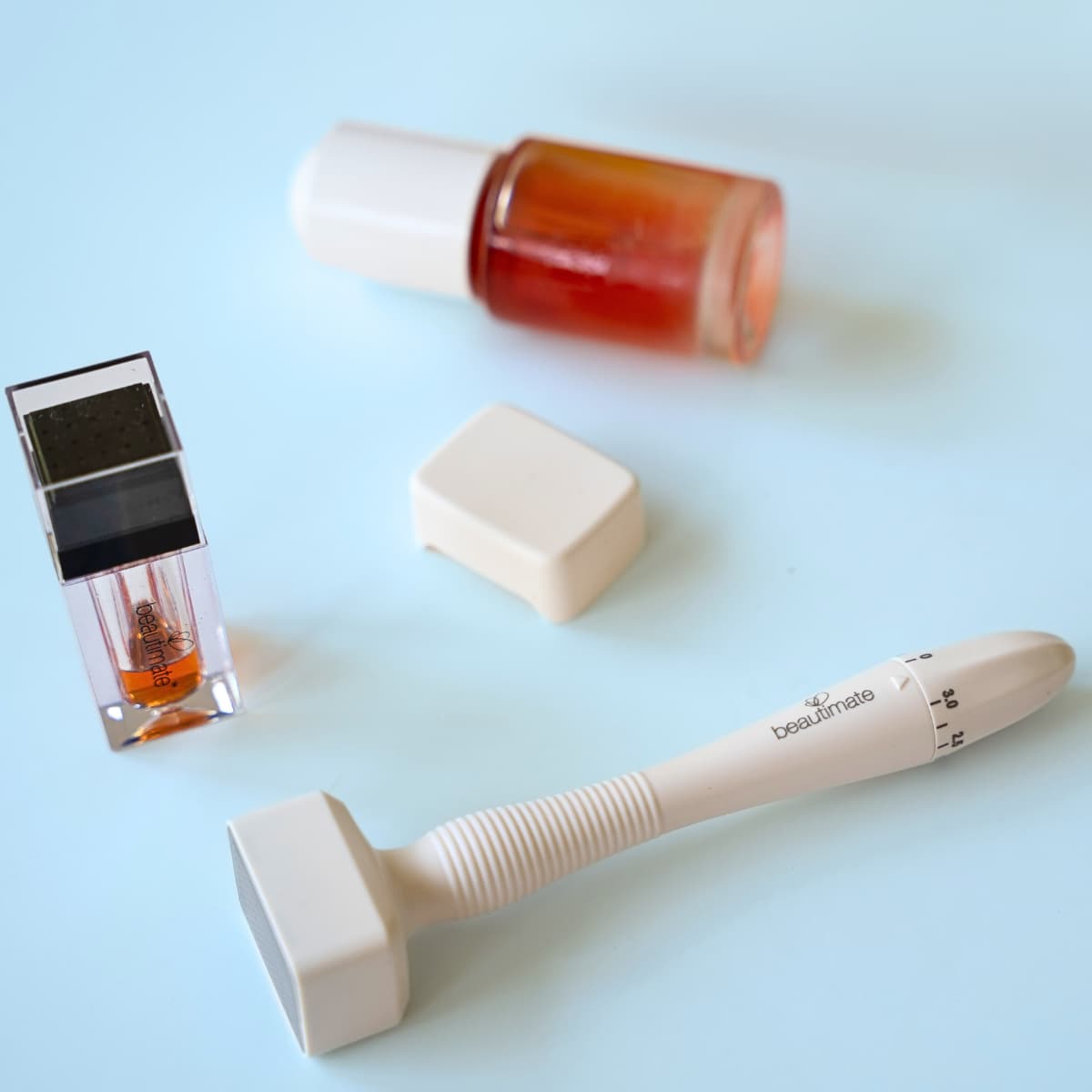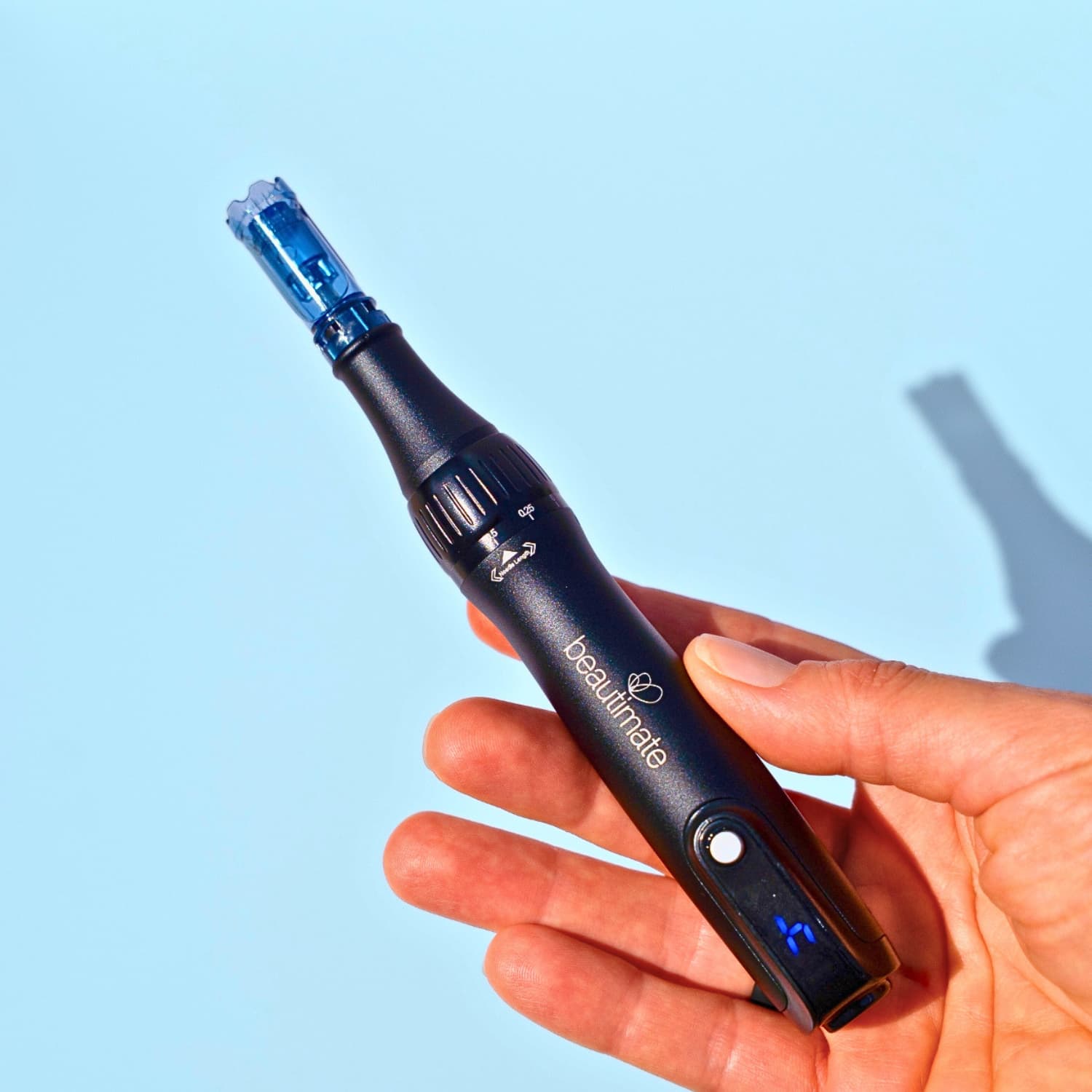

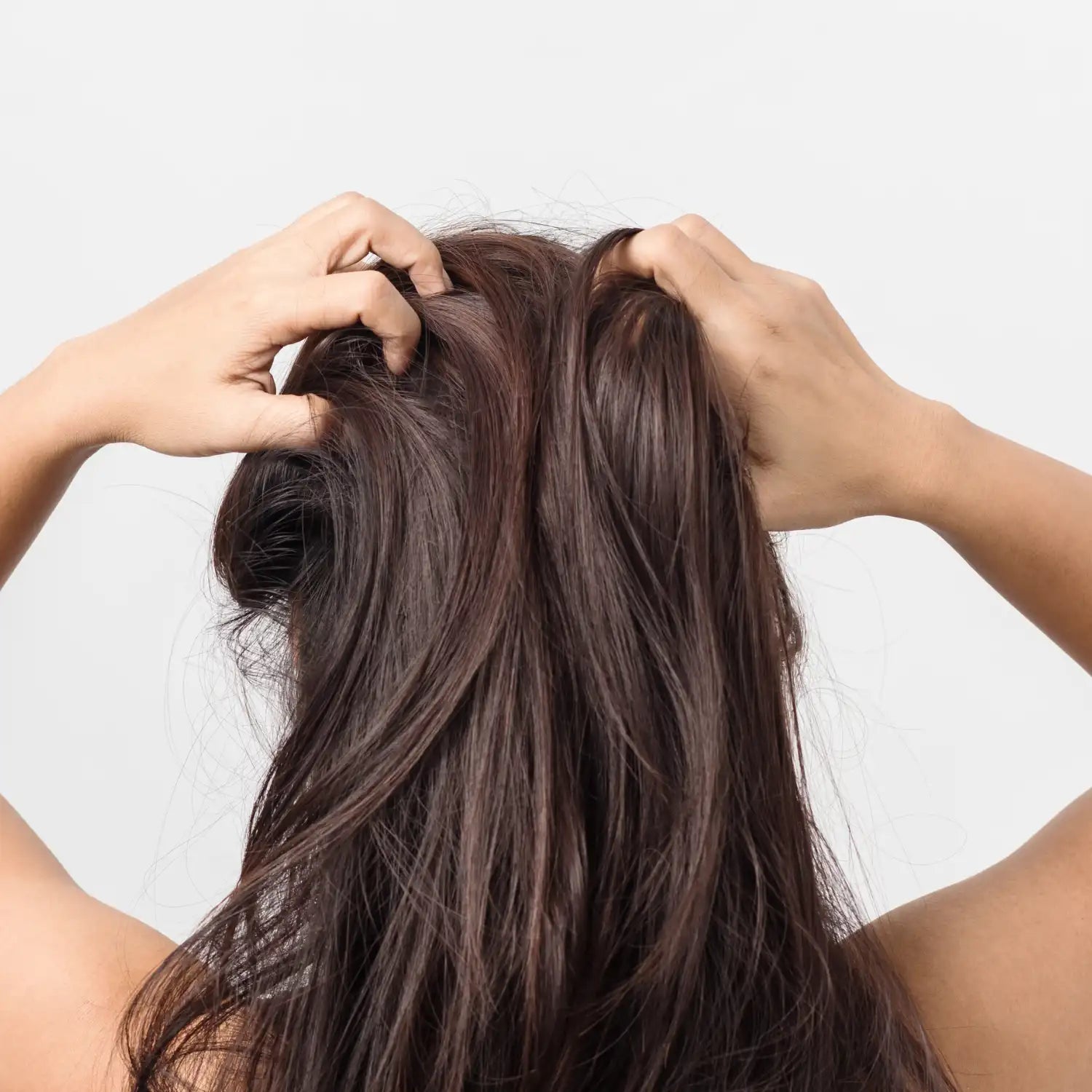
Microneedling for hair growth is one of the most talked-about at-home scalp routines — and for good reason. Whether you’re noticing thinning at the crown, a receding hairline, or just want to support a healthier scalp environment, a derma stamp may be worth adding to your routine. Here’s how it works, what the science says, and exactly how to use it.
What Is Microneedling for the Scalp?
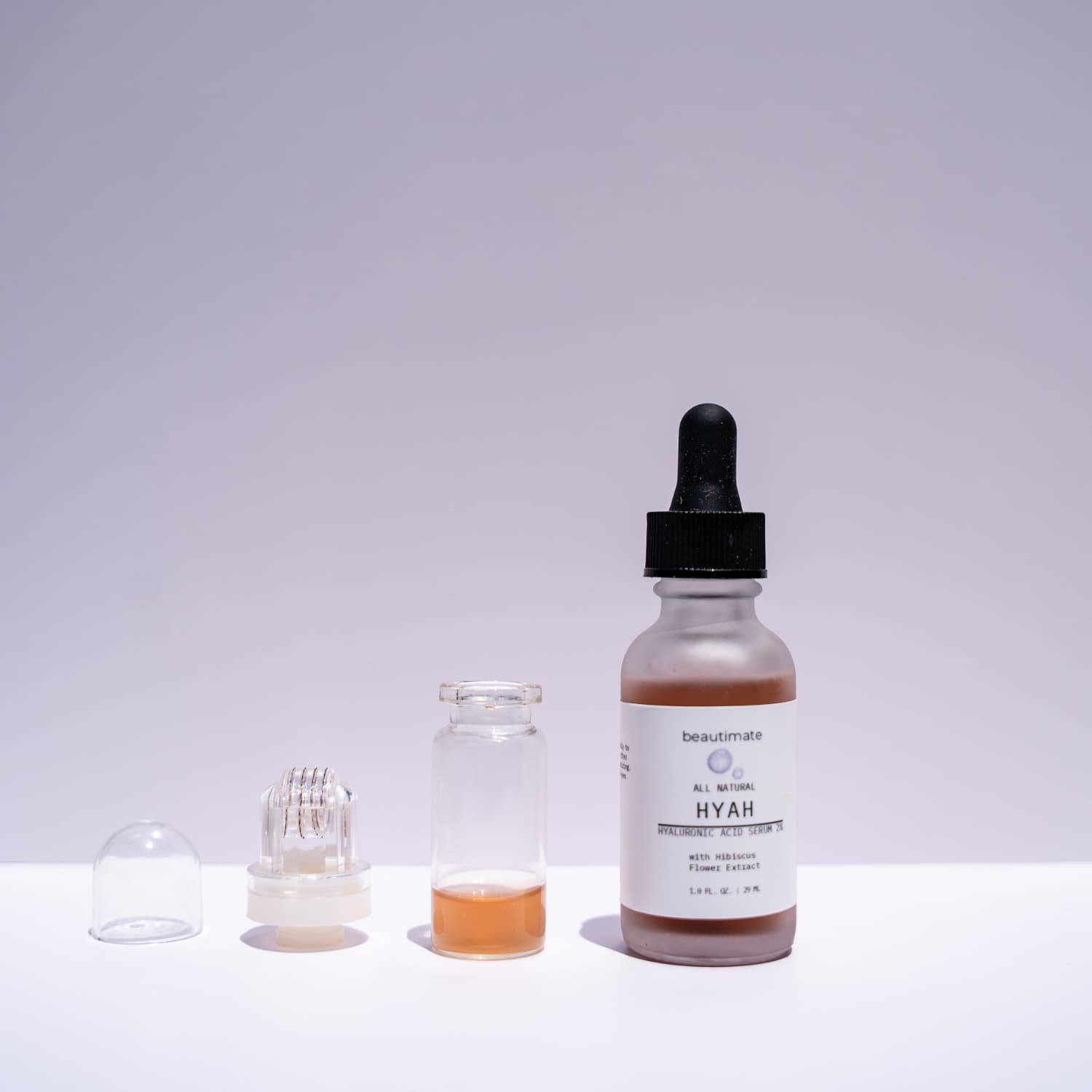
A derma stamp uses a grid of tiny needles to create micro-channels in the surface of the scalp. These micro-channels are shallow, controlled, and temporary.
This process supports blood circulation in the treated area and helps topical serums — like rosemary oil or hyaluronic acid — absorb more effectively rather than sitting on the surface.
A 2013 study published in the Journal of Cutaneous and Aesthetic Surgery found that microneedling combined with topical treatments was associated with notably greater improvements in hair density compared with topical treatment alone.
- Safe for men and women
- Works on the scalp, beard area, and eyebrows
- Pairs well with hair-supportive serums

How Does Microneedling for Hair Growth Work?
There are three main mechanisms at play:
- Better serum absorption: Micro-channels allow topical treatments to reach deeper layers of the scalp, rather than sitting on the skin’s surface.
- Improved scalp circulation: The stamping action supports blood flow in the treated area, bringing oxygen and nutrients closer to the hair roots.
- Supports the skin’s natural renewal process: Microneedling may help support the scalp’s natural renewal process, contributing to a healthier scalp environment over time.
A 2013 study on PubMed found that participants using microneedling alongside topical treatment showed significantly higher hair count improvements than those using topical treatment alone. Individual results may vary.

Needle Depth Guide for Hair Growth
The right needle depth depends on your experience level, scalp sensitivity, and how often you plan to use it. Start conservatively and adjust over time.
| Depth | Best For | Frequency | Recovery |
|---|---|---|---|
| 0.25mm | Scalp prep & serum absorption. Beginners and sensitive scalps. | Daily | No downtime |
| 0.5mm | Light scalp stimulation. Good starting point for most users. | 2–3x per week | Mild redness 1–2 hours |
| 0.75mm–1.0mm | Deeper stimulation. For thinning areas once you’ve built tolerance. | 1x per week | 24–48 hour recovery |
| 1.5mm | Advanced use only. Not recommended for beginners. | 1x every 2–3 weeks | Significant — plan ahead |
Individual results may vary. Reduce depth or frequency if you experience prolonged irritation.
Which Scalp Areas to Target
Focus on areas where you’ve noticed thinning or reduced density:
- Crown and top of scalp — the most common area for visible thinning
- Hairline and temples — receding edges at the front
- Patchy areas — beard, eyebrows, or anywhere density has reduced
Technique: Use a comb to part your hair in clean rows. Work in a methodical grid — press, lift, move slightly, press again. Do not drag the stamp. Avoid overlapping the same spot with too many passes in one session. A single pass over each zone is enough.

Step-by-Step: How to Use a Derma Stamp for Hair Growth
- Start with a clean, dry scalp. Wash and let your scalp dry fully before starting.
- Sanitize the tool: Dip the needle head only in rubbing alcohol for 5–10 minutes, then air dry. Do not submerge the handle.
- Set your depth: Use the guide above. New users should start at 0.25mm–0.5mm.
- Section and stamp: Use a comb to part the hair. Press straight down in a grid pattern — do not drag.
- Apply rosemary oil: Apply 2–4 drops to the treated area. Leave on for a minimum of 30 minutes or overnight, then wash out with shampoo. Not a leave-in product.
- Aftercare: Avoid washing the scalp for 8–12 hours. Use gentle, fragrance-free products for the first 24 hours. No harsh actives.

What to Expect: A Realistic Timeline
Individual results may vary. Consistency matters more than intensity — a regular, lighter routine tends to outperform occasional deep sessions.
Pro Tips for Better Results
- Use weekly for most hair types; every other week for sensitive scalps.
- Always sanitize the derma stamp before and after each use.
- Do not use on active scalp infections, open sores, eczema, or psoriasis.
- Pair with rosemary oil — it has been studied comparably to certain topical treatments for supporting hair density. Leave on 30 minutes or overnight, then wash out.
- Expect gradual changes over 2–4 months. Don’t judge results too early.
Who Should Not Use This
- Active scalp infections or open wounds in the treatment area
- Eczema or psoriasis on the scalp
- Anyone taking blood thinners or with clotting disorders — consult your doctor first
- Pregnant or breastfeeding — consult your doctor before use
- Anyone with an active skin condition on the area to be treated
When in doubt, check with a dermatologist before starting any new scalp routine.
Frequently Asked Questions
Does microneedling help with hair growth?
How long until I see results?
Does it hurt?
Can I use it if I have a sensitive scalp?
What serums work best after microneedling?
What needle depth is best for hair growth?
How often should I microneedle my scalp?