
Curious about red light therapy? Learn what it is, how it works, and how to safely use red and blue LED masks for skin benefits — backed by NASA research and dermatologists.
 NASA: Red LED light speeds healing — even in space.
What is Red Light Therapy?
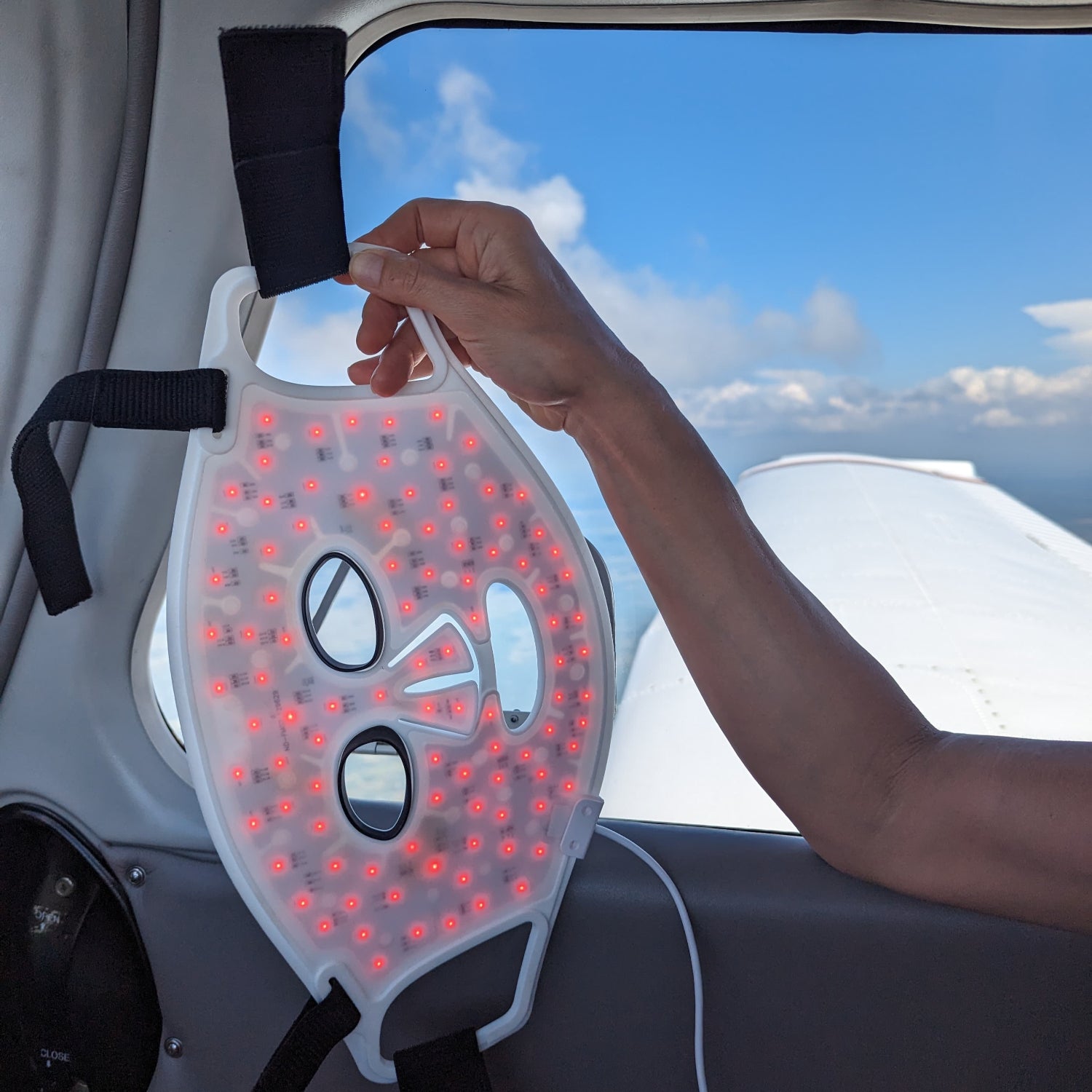
Red Light Therapy (RLT) uses low-level wavelengths of red and near-infrared light to energize your skin cells. NASA scientists first tested it to help wounds heal in space. Today, people use it at home for anti-aging, acne, and skin recovery.

How Does Red Light Therapy Work?
RLT uses light to support cell energy and supports the skin's natural collagen process — which may lead to firmer, smoother skin over time. Blue light targets acne-causing bacteria, while red light may help calm the appearance of redness and support healing.

Top Benefits (Backed by Research)
- Smoother Skin: May help reduce the look of fine lines and wrinkles with consistent use. See research.
- Calmer Breakouts: Blue and red light together may help calm the appearance of redness from acne. Read study.
- Skin Recovery: Used by NASA to support healing — on earth, it may help fade the look of scars and sun damage.
- Comfort Support: Research suggests RLT may also help ease joint and muscle discomfort.

Is Red Light Therapy Safe?
RLT is FDA-cleared, non-invasive, and considered safe for most skin types. Side effects are rare and mild — you may notice temporary redness or dryness. Wear eye protection and follow your device instructions. Talk to your doctor first if you are pregnant, have epilepsy, or take light-sensitive medications.
What to Expect: A Realistic Timeline
Skin changes take time. Here is a general guide for consistent users. Individual results may vary.

How To Use a Red Light Therapy Mask at Home
- Start with clean, dry skin.
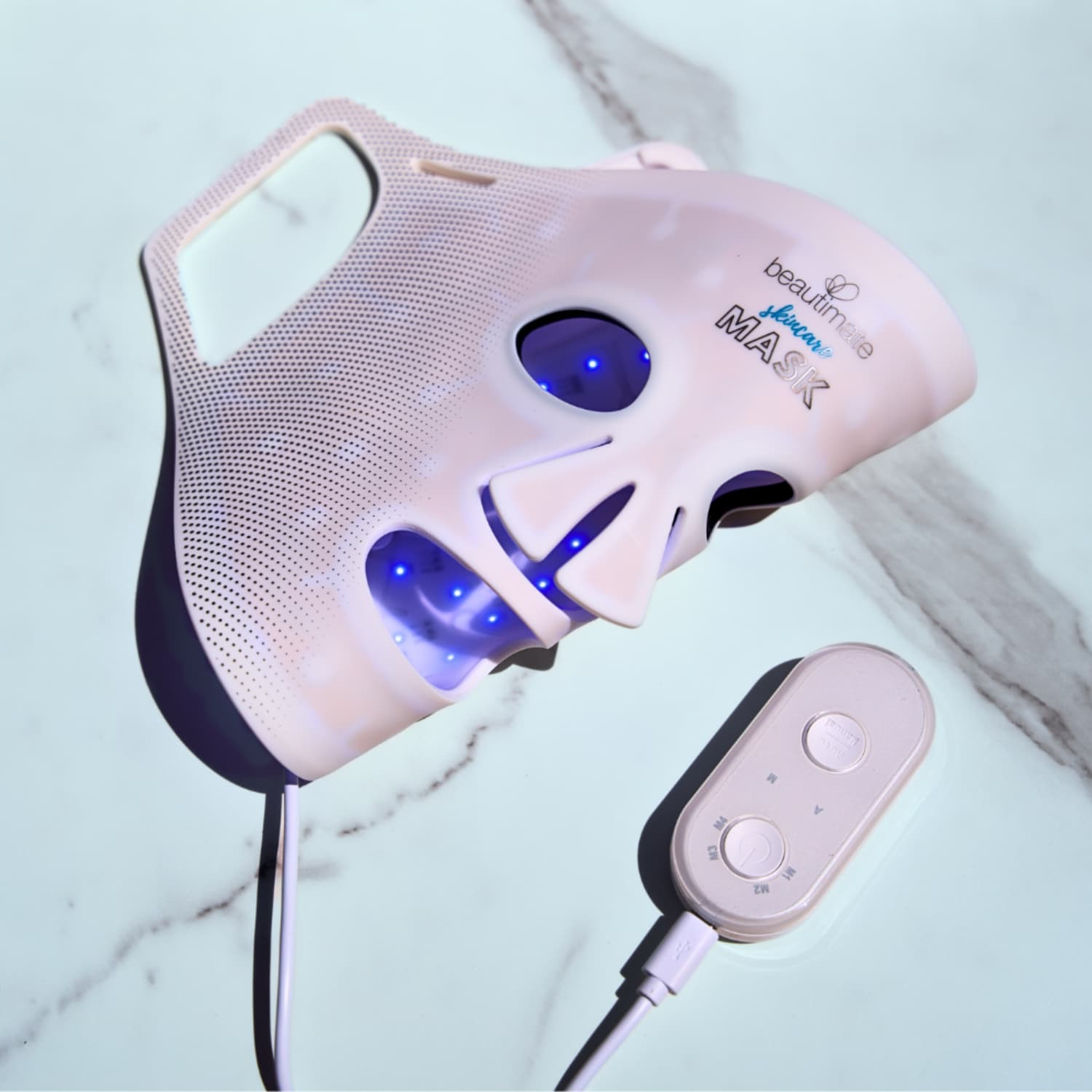
- Fit the mask on your face. Choose red (anti-aging) or blue (acne) mode.
- Relax for 10–15 minutes, 3–5 times per week.
- After: Apply a hydrating serum and sunscreen.
- Stay consistent. Most people notice changes after 4–8 weeks of regular use.